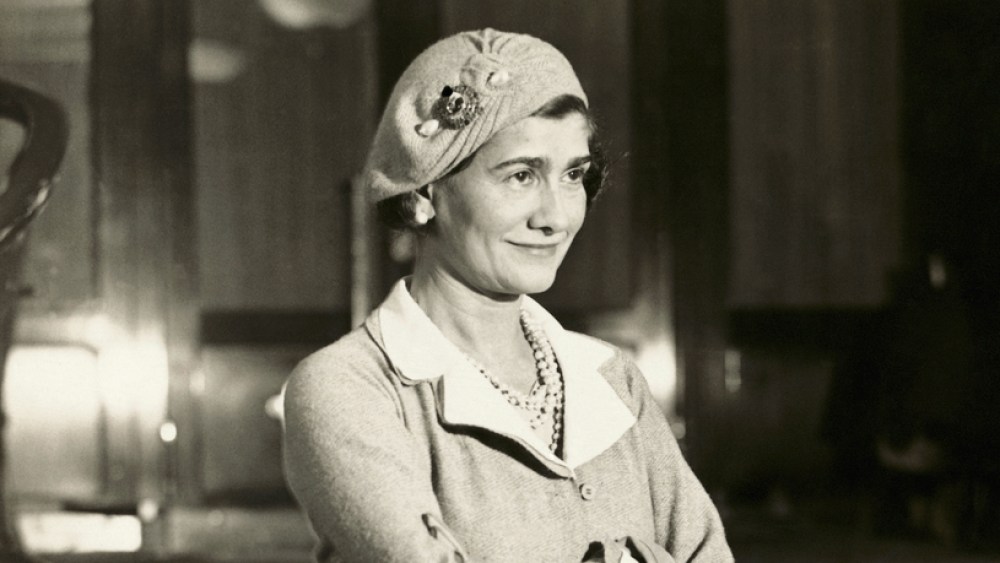
In 1931, Gabrielle “Coco” Chanel traveled to Los Angeles to explore the potential of designing costumes for Hollywood films, setting the template for the synergies between fashion and entertainment that are reshaping the industry today.
The initiative was hailed as a coup for United Artists studio chief Samuel Goldwyn, since Chanel was the most prominent designer ever enlisted to dress the stars of cinema, only a few years after the transition from silent movies to talking pictures.
Related Articles
“Anticipation is tense since it is felt that her work here will be a great influence in spreading the recognition of Hollywood as a source of style authority and will also help in various ways to promote the reputation of Los Angeles as a market and a production center for fashion merchandise,” WWD wrote at the time.
You May Also Like
United Artists set up a private salon for Chanel in its wardrobe department, and her style pronouncements to the U.S. press were faithfully reported and hotly debated. Her first creations for the screen were a pair of black pajamas and a beige wool sports suit worn by Barbara Weeks in “Palmy Days,” according to WWD.
But the relationship soon fizzled out, with some critics judging Chanel’s sophisticated designs too minimal for the big screen.

She created costumes for just three productions, most famously dressing Gloria Swanson in “Tonight or Never.” In his debut Métiers d’Art collection for Chanel, presented last December, creative director Matthieu Blazy commemorated the collaboration by printing a coat with the poster for the film.
As shortlived as it was, that early experience laid the foundation for Chanel’s longstanding relationship with cinema. She would go on to costume seminal movies including “The Rules of the Game” and “Last Year in Marienbad.”
For Bruno Pavlovsky, president of fashion and president of Chanel SAS, that historic bond has burnished the aura of the brand with audiences in the U.S. and beyond.
“It’s extraordinary for a brand to contribute to iconic moments in cinema, but you never know in advance what will turn out to be an iconic moment. It’s only years later that something becomes a cult scene or a cult film,” he said, underlining the need to remain involved across a broad variety of projects in the hopes of striking film gold.
In recent years Chanel has expanded its remit to support filmmakers with financing, and continues to make memorable appearances on the big screen across art house films such as “Spencer” and blockbusters including “The Devil Wears Prada” and “Barbie.”
“That has real value for Chanel. It’s a genuine relationship that is rooted in our history,” Pavlovsky said. “It defines the brand, so being able to continue doing that is super important. It’s part of this unique signature.”