Today, there’s a new beauty consumer who is shaking up the industry by pushing the boundaries of what defines beauty and the types of treatments they continue to seek out.
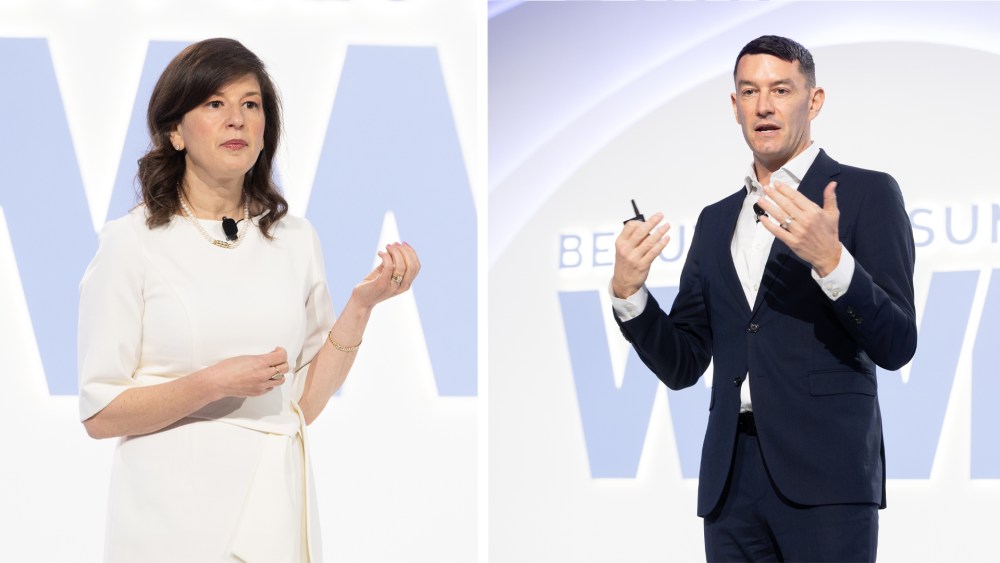
In a conversation presented by Boston Consulting Group, Pierre Dupreelle, managing director, partner and leader of global beauty sector, and Peri Edelstein, managing director, senior partner and leader of North America consumer practice, for the company offered up a new set of consumer insights that is redefining the category.
Related Articles

The findings shared were from a new survey conducted with 5,000 consumers over the past 12 months. Boston Consulting Group reported three key changes in the beauty category over the past decade and the rise of the world of medical aesthetics, preventative treatments and longevity solutions.
The first change has been the normalization of a multistep routine, what Dupreelle and Edelstein called the rise of skin intellectual consumers fueled by social media as a major point of discovery. The second is the readily available and more accessible medical aesthetic industry, which received a boost during the pandemic with the normalization of treatments. Lastly, the rise of preventative and longevity treatments with GLP-1 and peptides. The result is a new type of beauty consumer who’s redefining the landscape of the industry, which Boston Consulting Group calls the optimizer.
“The optimizer is pushing the boundaries of beauty to look and feel their best,” Edelstein said. “They operate within three categories of traditional beauty, aesthetics, and performance and longevity. Over the last 12 months, optimizers have engaged in all three of those categories, while most beauty consumers only participate in traditional beauty.”
Notably, optimizers make up about 6 percent of the U.S. market or 15 million Americans today; it’s a growing archetype across the country. The demographic can be seen as similar to other highly engaged beauty consumers — they’re more Millennial and more affluent than average users. And men are also highly engaged in longevity activities such as clinics, hair loss, supplements and biohacking services.
Dupreelle said these consumers have spent on average $3,000 in the category in the past year. Eighty percent of optimizers reported that beauty is about both physical and mental health and 70 percent are proactively trying to prevent signs of aging.
As for what this means for the future of beauty? The average consumer has become smarter on formulas, clinical testing and ingredients — with social media no longer being the only avenue to learn about new products. Optimizers are turning to a smaller set of credible advisers to make their choices and consider medical professionals the top most trusted source.
“Category tailwinds indicate that optimizer behavior is going to become more mainstream as efficacy becomes even more important, treatments become more routine and stigma around interventions continues to fall,” Edelstein said. “More importantly, as Millennials gain more spending power, more consumers are going to build beauty routines that look like the optimizer.”