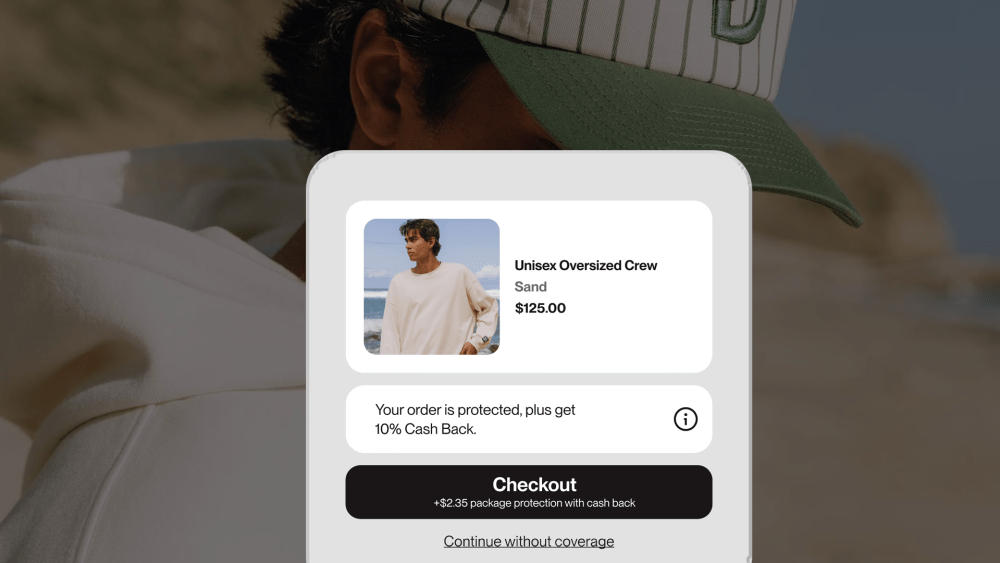
In the fashion economy, customer experience doesn’t end at checkout; it often begins there. For apparel, footwear, accessories and luxury retailers, the days between purchase and delivery have become an increasingly important part of the brand relationship.
A delayed handbag, a missing sneaker drop, a damaged eveningwear shipment or an unclear delivery update can have outsized consequences in a category where timing, presentation and trust matter. What happens in the days after a purchase can now define whether that customer returns, churns or becomes a lifelong fan.
Related Articles
Fashion’s Growing Focus on Post-purchase Experience
Route AI detects, decides and helps resolve post-purchase shipping issues like loss, theft and damage.
Built by Route, the platform behind post-purchase protection for brands, Route AI is the result of seven years of real-world training and billions of data points. The system uses artificial intelligence to continuously monitor order activity and shipping performance across a large network of thousands of e-commerce brands. Rather than relying solely on customer service teams to manually review every claim or “Where is my order?” request, the platform analyzes shipping and order data in real time and recommends an appropriate next step.

How Route AI Responds in Real Time
“Luxury is about clarity, control and care,” said Eric Kobe, chief executive officer of Route. “And today, that has to extend beyond the product. Route AI ensures every order — even the ones that go wrong — still feels like part of a premium experience.”
The system actively tracks carrier performance, merchant policies, fraud signals and customer interactions. When an issue emerges or is likely to, it acts instantly. It decides the best path forward and can execute automatically. That could mean issuing a refund, reshipping the product, intervening with a carrier or taking no action at all.
Premium Brands, Premium Expectations
For fashion merchants managing seasonal launches, limited drops, gifting periods and high-return categories, speed of resolution can be as important as speed of delivery. Automated workflows may help brands respond consistently during peak periods while allowing human support teams to focus on more nuanced customer conversations.
The outcome is a more efficient post-purchase operation, with faster resolutions and reduced support volume for many merchants. That matters in fashion, where service expectations are often shaped as much by convenience as by product design.
When operational efficiency matters as much as brand equity, fashion companies are under pressure to deliver both. And that’s where Route AI’s biggest advantage comes in: compliance.
A Compliance Framework for Scale
Route holds Department of Insurance licensing in all 50 states, allowing it to handle claims and reimbursements using AI within a compliant framework at a national scale. For retailers selling across multiple regions, that type of operational structure is relevant as brands evaluate how reimbursements, protection programs and customer remedies are managed.
According to Route, the platform supports more than 13,000 brands and has processed over 1.4 billion shipments, representing more than $20 billion in protected GMV. But beyond scale, the focus is on reducing friction in the post-purchase experience and helping brands maintain customer trust when issues arise.
Post-purchase Becomes Retail Infrastructure
As online fashion retail grows more complex, post-purchase operations are becoming a more visible part of the commerce stack. Platforms such as Route AI reflect a broader shift toward using automation and data analysis to manage the customer experience after checkout, which is the moment when loyalty is often tested most.
Route has long led the post-purchase category. With Route AI, the company is positioning itself to deepen that role as retailers place greater emphasis on the experience between checkout and delivery.