MILAN — Almost 20 years after introducing his first Langosteria fine seafood restaurant in Milan in 2007, Enrico Buonocore is structuring his growing food and beverage offer under the new Buonocore Hospitality Group umbrella. Previously it was called Langosteria Group.
In his signature direct way, Buonocore is aiming high, looking at becoming “the number one in high-end food and hospitality in the world.”
As he gradually opens new restaurants, Buonocore is backing this goal by leveraging the solid business he has built over the years and the growth potential he expects. Last year group sales amounted to 68 million euros and Buonocore, who holds the role of chief executive officer, forecasts revenues of between 180 million and 200 million euros by 2030.
You May Also Like
Related Articles
Earnings before interest, taxes, depreciation and amortization are expected to reach between 28 million and 30 million euros in 2030 up from 7 million euros in 2025.
Today Buonocore Hospitality Group counts nine Langosteria restaurants, including the soon-to-open units in London and in Sardinia’s luxury resort Porto Cervo; the newly introduced Pepe, and beach club and restaurant Bagni Fiore in Paraggi, near Portofino.

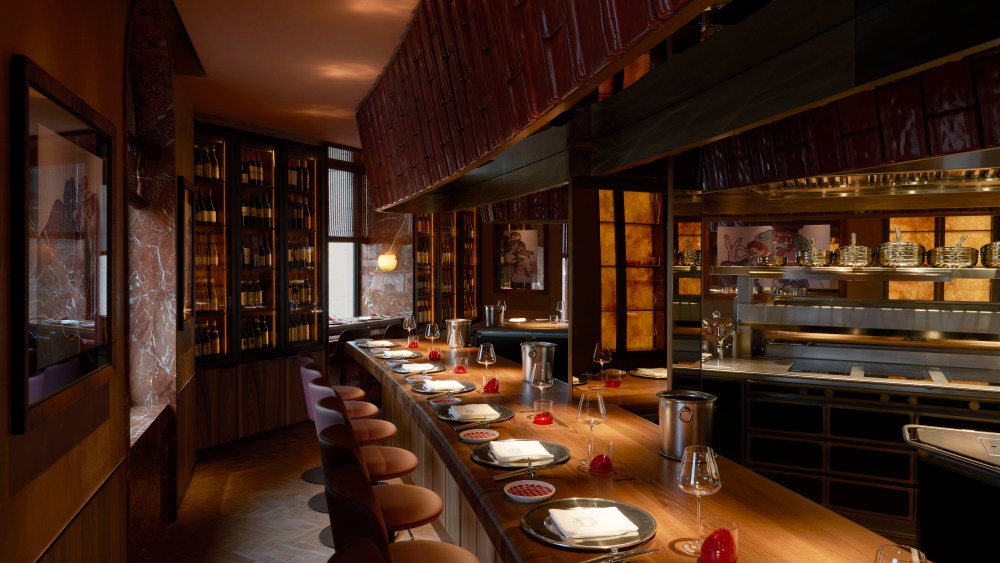
The group employs 500 collaborators, expected to tally 1,000 by 2030, said Buonocore during an interview at the newly opened Pepe-Barra Italiana, which offers a purely Italian culinary experience and a convivial dining style centered entirely around the counter, the translation of barra. This is located in Palazzo Fendi, which houses Langosteria Montenapoleone. Here, Buonocore also unveiled the new Langosteria Ally’s Bar, named after Buonocore’s wife, Alessandra, the group’s first cocktail bar with a terrace giving a view of the cityscape and direct access to a private dining room.
While entering a new phase and a new identity, Buonocore remains majority shareholder with a group of well known partners, while Archive Srl, owned by Moncler executive chairman Remo Ruffini’s Ruffini Partecipazioni Holding, continues to hold a 40 percent stake. Archive first invested in the group in 2018.
Buonocore said he felt it was “natural to join together the new dining concepts and brands under a clearly defined group, signaling an evolution but still maintaining the same approach to hospitality, product excellence and attention to each experience across the board.”
New restaurants will be developed in key destinations around the world, “catering a cosmopolitan clientele, selecting and creating new locations where people will feel well and reaching an international audience without losing our identity,” continued Buonocore.
Three restaurants for each brand, including Pepe, are expected to open in the next five years. While Buonocore is eyeing an expansion in the U.S., a Langosteria opening in Madrid is confirmed at the moment.
While Buonocore admits he’s “having fun” and is full of energy, he enthused about Luca Fantin, who led the Michelin-starred Bulgari restaurant in Tokyo for 15 years. He has been tapped to helm Pepe as corporate executive chef. “The human capital is fundamental and central and we invest in the training and growth of everyone in the team,” said Buonocore.
Developed by Fendi’s architectural team, with its three bar counters in aged walnut wood, red bricks, terracotta surfaces and Alicante marble, Pepe accommodates around 40 guests. “Here, it’s all very democratic, people eat around the counter, which makes it very convivial, it creates intimacy, it’s informal but elegant,” Buonocore said. The name is “easy to remember, and it’s romantic,” and he added that it paid tribute to a late, longtime customer and adviser whose nickname was Pepe.
The restaurants in Palazzo Fendi seat 600 diners a day, said Buonocore, and 30 to 40 percent are recurring clients.
“Authenticity, creativity, the development of experiences and brands, transparency, respect and sustainability, these are all key words for me,” he concluded.