From exploration to education, fragrance’s consumer behavior shifts are helping to drive growth in the category.
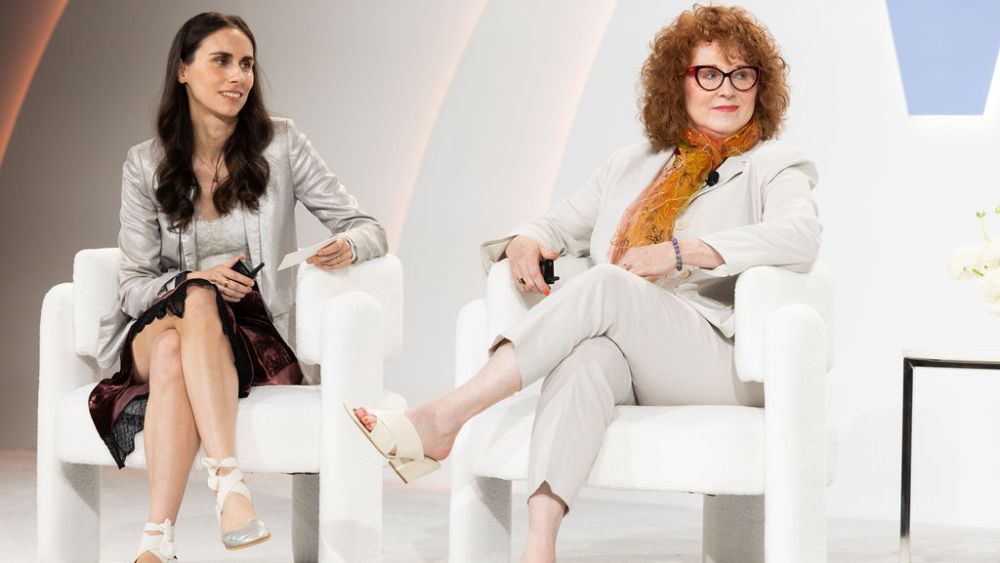
As Scentbird’s chief marketing officer Elena Lécué and executive vice president Bettina O’Neill explained at the WWD Beauty CEO Summit in a panel moderated by beauty news editor Noor Lobad, the once popular concept of a signature scent has declined in popularity. In a survey of consumers who have made a fragrance purchase in the last six months, 71 percent said they did not have a signature scent and 83 percent said they enjoy experimenting with fragrance. This tendency toward trying out new and different scents is encouraging shoppers to buy more frequently, helping to propel sales.
Related Articles

Generations Z and Alpha are prime examples of this mindset change. Most teens wear fragrance on a daily basis, with some even applying it multiple times a day, and they change up their fragrance choices to reflect their moods. Their affinity for fragrance has made it the fastest-growing teen beauty category.
Younger generations are also highly educated about perfumes. Consumers have more fragrance information at their disposal today via platforms like TikTok and Reddit, where creators and users as young as pre-teens are discussing concepts that would have only been spoken about among enthusiasts in the past. These platforms also gave rise to trends like smellmaxxing, or strategically combining hygiene products and perfumes.
“Fragrance really gained cultural energy, which drives demand, and that demand comes from consumers that would have found the category intimidating just a few years ago,” Lécué said.
Another key emerging demographic is Millennial men, more than half of whom spend more than $200 on fragrance annually. Compared to women in the same cohort, men’s lifetime value is stronger if companies can earn their loyalty. They are also more apt than women to self-identify as a fragrance expert, with one-third of men and only 8 percent of women agreeing to that label.
Fulfilling consumers’ appetites for exploration, Scentbird is an “intelligent discovery engine” for fragrance. Based around a subscription model, the service allows users to select from more than 1,000 fragrances and receive a month’s supply. Touchpoints include quizzes that use AI to match subscribers with scents and smart recommendations based on their engagement. If they fall in love with a sample, they can use a provided QR code to buy a full size bottle from the brand or retailer.
This model has allowed Scentbird to overcome some of the barriers of selling fragrance online, most notably the inability to smell through a screen. “We’re taking the blind buying aspect out and really making it smart sampling,” said O’Neill, executive vice president business development and merchandising at Scentbird. “They get to use it for like a month, so they get to know if they really like a fragrance, as opposed to just spraying it in the store or on a card and making a rash decision.”
O’Neill noted that consumers’ willingness to buy fragrance virtually grew during the pandemic. Today, platforms like TikTok Shop and Amazon are also driving scent sales. One best practice — which Scentbird embodies with non-incentivized, “raw” fragrance reviews — is to give consumers a clear idea of what they are getting. “Everybody wins when the purchase is made with full confidence, fully informed, and then the customer is excited to come back,” Lécué said.
Scentbird is a growing business in an accelerating category, and it sees the “next frontier of growth” for its company in the “intersection of fragrance and pop culture.” Mentioning Scentbird’s collaborations with IP ranging from “Twilight” to “John Wick,” Lécué explained, “We see the opportunity to build worlds with fragrance, to ignite imagination and to activate fandoms.”